The Investor Update You Should Be Sending Before Anyone Asks
The investor update is not a post-raise obligation. It's a pre-raise advantage. And most founders discover this too late. Yet the founders who actually raise, they started sending it before they had anyone to send it to.
That’s the shift most people miss.
The investor update isn’t a missing tool. It’s a relationship-building system. And like any system, it only works if it’s already running.
The Update Works Before the Relationship
Investors see hundreds of cold pitches. Most of them blur together.
But a founder who shows up quietly once a month, with a clear signal of progress, doesn’t feel cold anymore. By the time they ask for a meeting, they’re already familiar. Not because they pitched better but because they showed up consistently.
You’ve already had multiple touchpoints. The investor just didn’t label them as such.
What Actually Goes in It
This is where most founders overcomplicate it. The goal isn't to impress. It's to be understood.
The best updates are simple; three short paragraphs.
-First grounds the reader in reality: what actually moved in the last 30 days. Not ambition, but execution.
-Second shows how you think: what you’re choosing to focus on next and just as importantly, what you’re not.
-Third is where the relationship begins: a single, specific ask. Not a vague “happy to connect,” but something actionable. One clear way for the reader to engage.
That’s it. No decks. No long context. No performance.
Who You Send It to When No One’s Invested Yet
Hesitation usually shows up here. If you don’t have investors; it can feel premature, almost performative to send updates.
It’s not.
You’re not reporting to investors. You’re building the group that will eventually become them.
Start with people who are adjacent to your path; advisors, operators, founders, program leads, anyone who understands the space you’re building in. Over time, that list stops being random. It starts to take shape as a network. And eventually, as a pipeline.
The Compounding Effect
No single update changes anything.
But consistency does.
After a few months, there’s a record. After a few more, there’s pattern recognition. By the time you’re formally raising, you’re no longer introducing yourself; you’re continuing a thread that already exists.
That thread matters more than most founders realize. When an investor has watched you execute for six months before you ask for anything, the first meeting isn't a pitch. It's a confirmation of what they already suspected.
The Overlooked Advantage
For academic or technical founders, this should feel familiar.
You already know how to document progress, communicate results, and maintain a cadence. The cadence you built writing lab reports and research updates is exactly the muscle this requires. You're not learning something new. You're pointing out an existing skill at a new audience.
Where This Breaks Without a System
The habit is simple. Maintaining it isn’t.
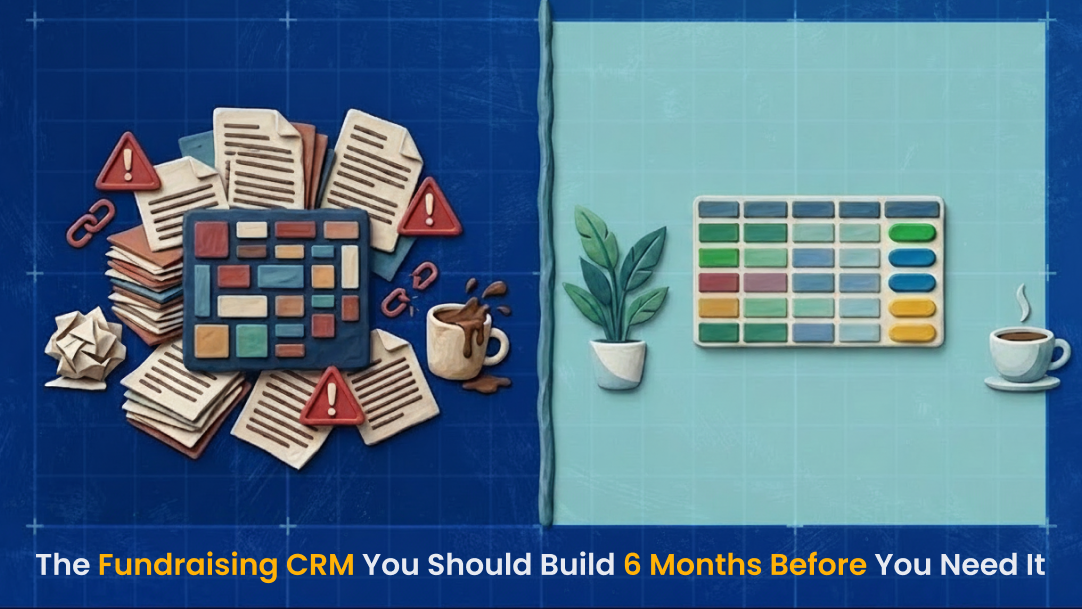
Once the list grows, things get messy. You forget who engaged, who didn’t, who needs a follow-up. What started as a relationship-building loop turns into scattered communication.
This is where a lightweight CRM or investor relationship tool quietly becomes the difference between a habit that compounds and one that collapses, not as infrastructure for fundraising, but as infrastructure for consistency.
Tracking who you’ve reached, who’s responding and when to re-engage is what turns a monthly email into something that compounds.
The Uncomfortable Truth
The investor update isn’t about information. It’s about presence.
Investors don’t always fund the founder they met most recently. They fund the one they’ve seen consistently executing, communicating, and improving over time.
If you only start communicating when you need capital, you’re already late.
The founders who stand out aren’t louder. They’re just there, repeatedly, long before anyone is paying close attention.
At Cephyron, we built our platform to help founders maintain exactly this kind of consistency, tracking who you've reached, who's engaged, and when to follow up.
Book a demo if you're getting your system in place.
Related Resources:
- Y Combinator Investor Update Template — HeyEveryone
- Investor Update Workshop — 500 Startups
- You Aren't Actually Fundraising Until You've Done These 7 Things First — Cephyron