You Aren't Actually Fundraising Until You've Done These 7 Things First
By the time you send your first deck, you're already behind.
Not because you waited too long to pitch. Because the founders who close rounds don't start with a deck. They start with the work nobody sees. The preparation that happens months before the first meeting, and determines everything that happens after it.
Here's what that work actually looks like.
1. You've built your investor list around thesis fit, not brand names
The top VC lists on Google are not your target list. They're everyone else's target list.
Your list should be 40 to 60 names. Investors who have already funded something close to what you're building. Not the same thing. Close enough that funding you is a logical extension of what they already believe. By the time you get on a first call, you should already know what they like to invest in, who they think your competitor is, and whether they see your category as deep tech or a passing trend. That research happens before the meeting, not in it.
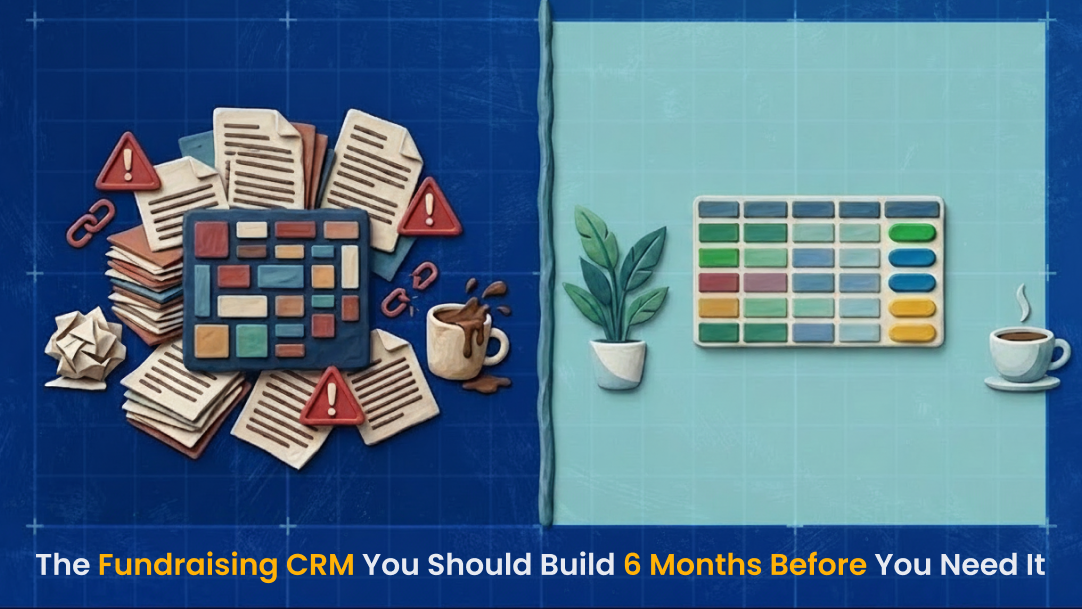
2. You have a system for tracking every conversation
By the time you're in active raise mode, you're running 30 to 50 parallel conversations at different stages. Some are cold. Some are warming up. Some are in diligence. Without a system you will drop follow-ups, lose track of what you told whom, and let warm relationships go cold.
This doesn't have to be fancy. A spreadsheet works. What doesn't work is your inbox. Build the habit before the volume hits, because once it hits, there's no time to build anything.
3. You've sent at least one investor update before you have investors to send it to
The investor update is the most underused tool in early fundraising. Founders who build the habit early; sending a short monthly note on progress, focus, and what they need — show up to every investor conversation with something most founders don't have: a track record of communicating clearly under pressure.
Three paragraphs. What you accomplished. What's next. What you need. Send it to your advisors, your angels, the founders you respect. The audience comes later. The habit has to come first.
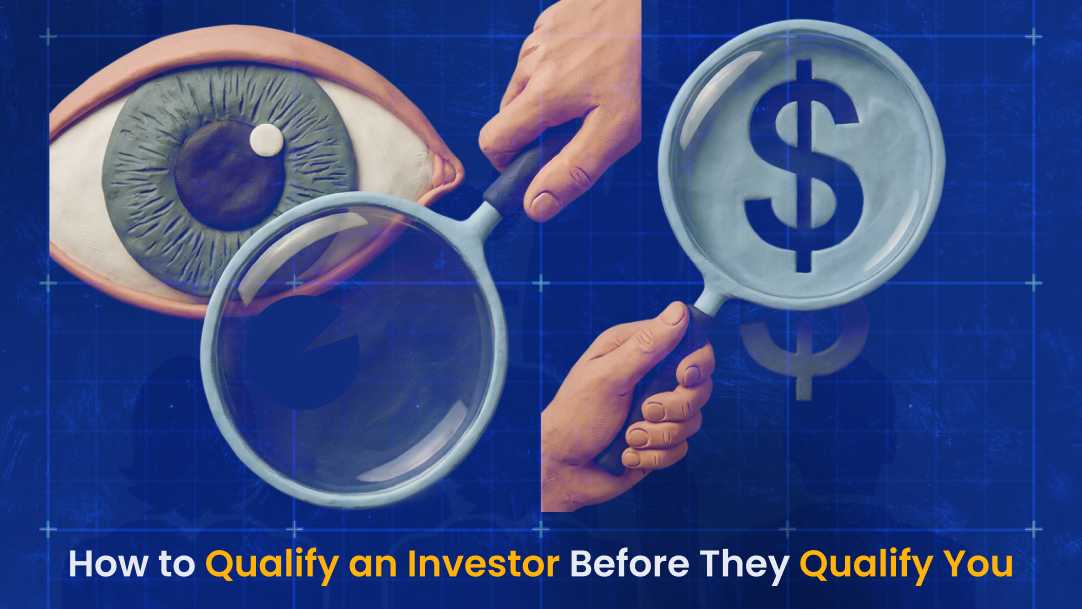
4. You've reference checked your top ten investors — before they've checked you
Every founder prepares for investors to evaluate them. Almost none think to evaluate investors back. That's a mistake.
Before you pitch your top ten, find two or three founders in each investor's portfolio, not the ones on the website, the ones who raised three or four years ago and have been through something difficult since. Ask them how the investor showed up when things got hard. Ask what they'd do differently.
The best investors are genuinely valuable partners. The wrong ones can cost you more than a bad quarter. You have every right to find out which one you're dealing with before you sign.
5. You and your co-founder have aligned on the hard stuff
Not the exciting stuff. The hard stuff!
Valuation range. How much dilution you'll accept. Which instrument — SAFE, convertible note, or priced round. Who leads investor conversations and who stays heads-down on the business. What happens if the round takes nine months instead of three.
Most co-founding teams talk about fundraising in optimistic terms. Fewer have the conversation about what they'll actually accept, where they disagree, and what their walk-away looks like. Have it now. Investors are good at finding the gap between co-founders — and a term sheet is a bad time to discover you're not as aligned as you thought.
6. You have 12 months of personal runway
This is the one nobody talks about directly, so I will.
You cannot negotiate well when you're desperate. That's not a mindset problem. It's a structural one. The founders who get the best terms aren't always the ones with the best companies. They're the ones who can walk away from a bad deal because they don't need to close this week.
Before you start fundraising, know your personal number. What does it cost you to operate for 12 to 18 months — rent, salary, obligations? Do you have it covered? If not, extend that runway before you start pitching. A raise that closes under pressure almost always closes badly.
7. You know exactly which risk you're retiring with this round
Most founders set their raise amount based on runway math. We need 18 months, so we need X. That's not how investors think about it.
Investors think about capital as a tool for risk reduction. Every early-stage company carries technical risk, commercial risk, regulatory risk, and execution risk simultaneously. What they want to know is: which of those risks does this round directly eliminate? And is that the right one to tackle next?
Before you set your ask, be able to answer that question precisely. Not "we'll use it to grow", but "this capital retires our single biggest uncertainty, which is X, and here's how." That answer changes the entire framing of your raise from a funding request into a risk sequencing decision. That's the conversation investors actually want to have.
None of this is glamorous. That's exactly why most founders skip it.
The ones who don't are the ones still in the room when the term sheets come out.
If you're six months from your raise and some of these aren't in place yet — good. You have time to fix it.
At Cephyron, we built our platform around exactly this kind of preparation — helping founders track investor conversations, manage follow-ups, and stay organized through the raise. If you're getting ready to fundraise, book a demo.
Related reading:
- What Goes in a Good Pitch Deck — Cephyron
- Diligencing Your Investor: A Checklist for Founders — Airtree Ventures